December 2, 2025
Selecting the right roofing materials is one of the most important decisions a homeowner can make when planning a roof replacement or new installation. The roof not only protects the home from weather and environmental elements but also plays a major role in energy efficiency, curb appeal, and long-term property value. Because roofing materials vary widely in durability, cost, appearance, and maintenance needs, choosing the best option requires more than browsing a list of products. A knowledgeable roofing contractor provides essential guidance during this process by evaluating the home’s structure, climate conditions, aesthetic preferences, and budget considerations. Their expertise ensures that homeowners make informed decisions that support both immediate needs and long-term benefits. With professional insight, selecting the right roof becomes a manageable and confident experience rather than an overwhelming task.
Evaluating Your Home’s Structural Needs and Local Climate Conditions
A major advantage of working with a roofing contractor is their ability to assess the home’s structure and climate demands before recommending materials. Every home is built differently, and factors such as roof pitch, ventilation, support strength, and architectural style influence which materials will perform best. Without professional assessment, homeowners may choose products that look appealing but do not suit the home’s physical requirements or regional weather patterns.
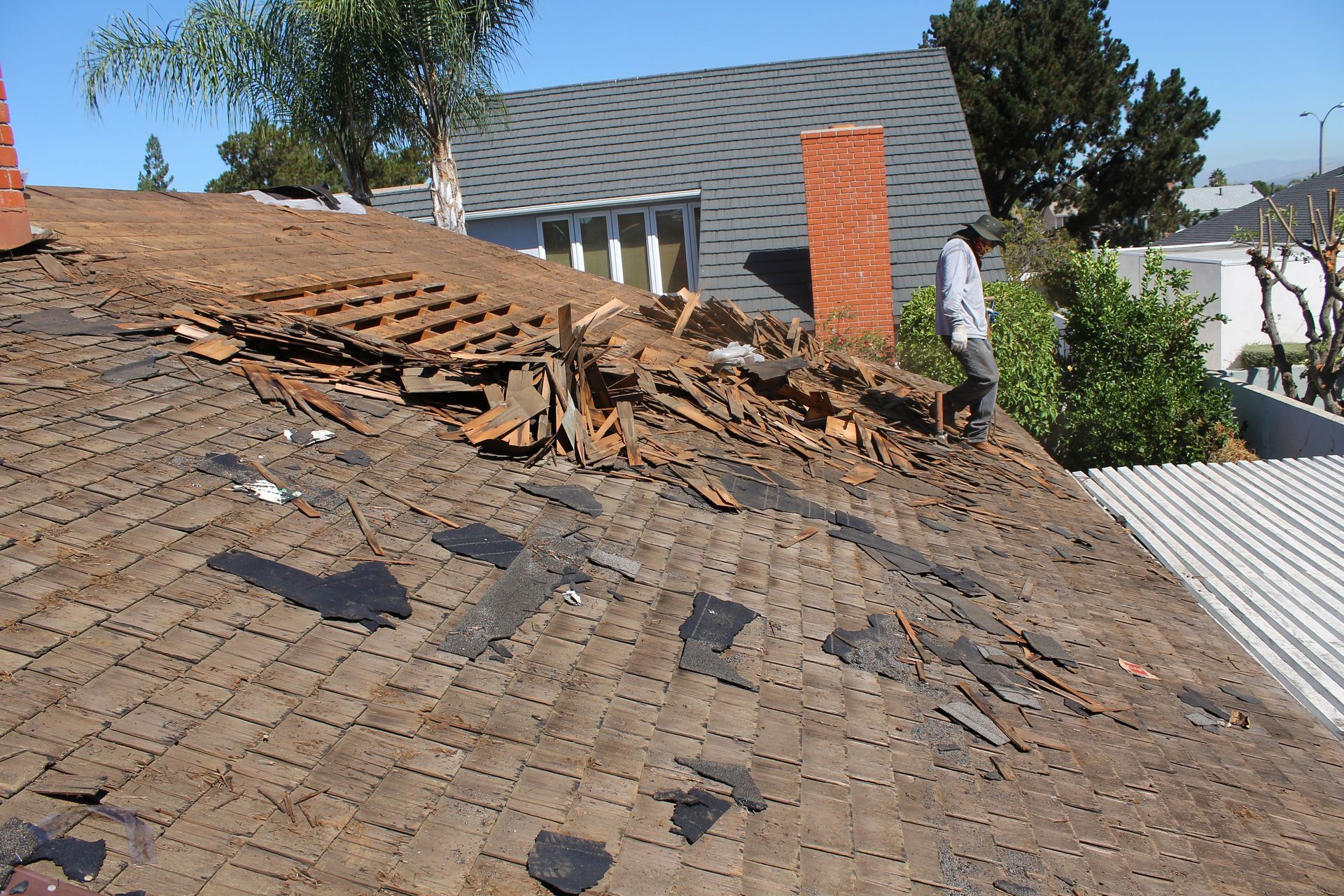
A roofing contractor begins by conducting a thorough inspection of the existing roof. They evaluate the condition of the decking, measure slopes, and determine how much weight the structure can safely support. Certain materials, such as slate or tile, are significantly heavier than asphalt shingles and may require reinforced structural support. A contractor ensures that any recommended material is compatible with the home’s load-bearing capacity.
Climate is another critical factor. Homes in regions with high rainfall, snow accumulation, high winds, or extreme heat require materials designed to endure these conditions. In areas prone to heavy winter storms, for example, metal roofing or architectural shingles may offer better protection. Conversely, homes in hot climates benefit from reflective roofing materials that help reduce heat absorption.
Professional insight also helps homeowners understand how local building codes and weather patterns affect material selection. A roofing contractor is familiar with regional regulations and ensures that chosen materials meet required standards. Their analysis creates a customized strategy that balances durability, structural needs, and climatic suitability, giving homeowners a roof that performs reliably for years.
Comparing Material Options to Match Performance and Aesthetic Goals
Roofing materials vary widely in appearance, lifespan, performance, and cost. A roofing contractor helps homeowners navigate these choices by explaining the benefits and limitations of each option. Their expertise allows them to tailor recommendations based on the homeowner’s goals, whether they prioritize durability, affordability, or visual appeal.
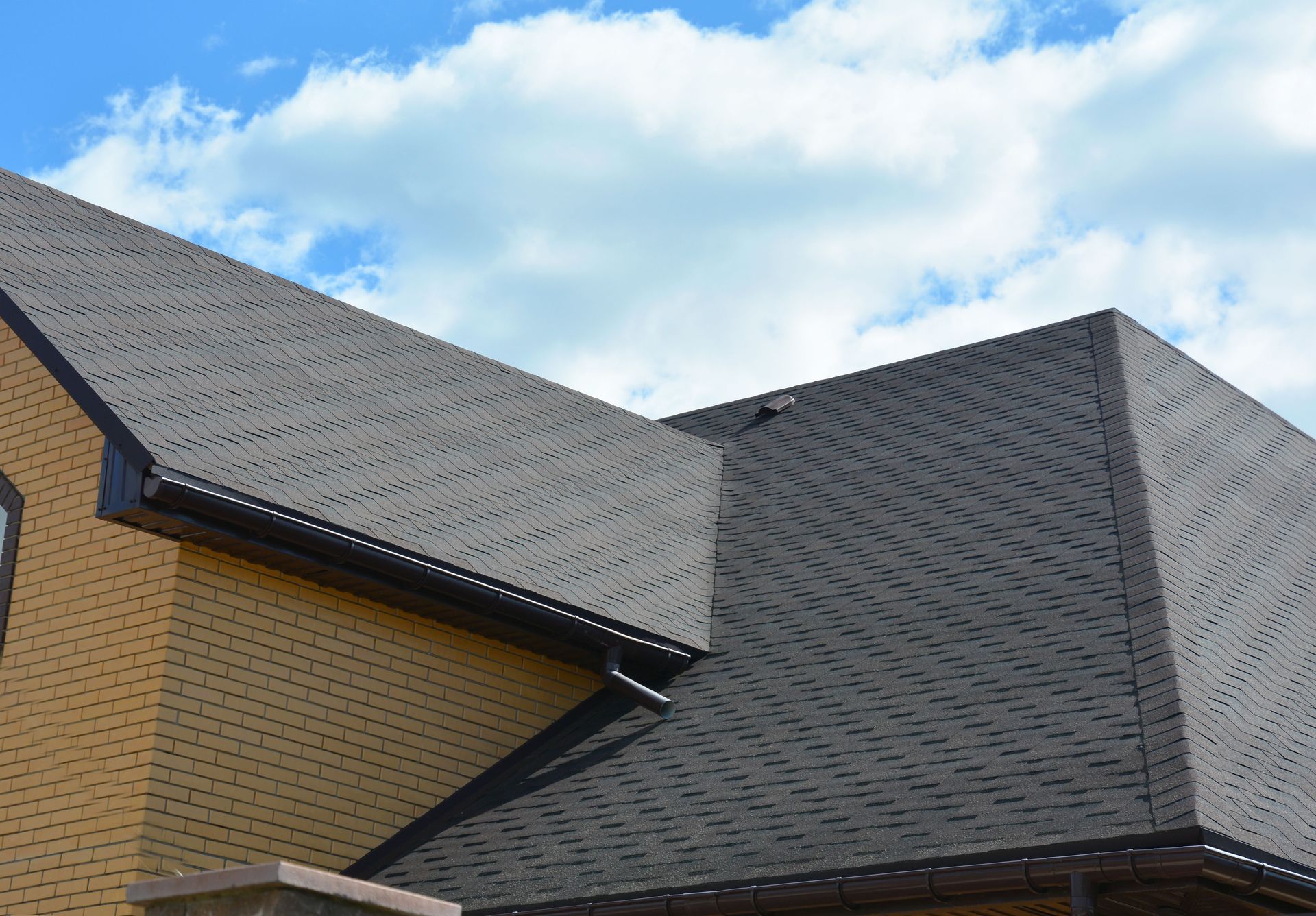
Asphalt shingles remain one of the most popular roofing materials due to their affordability and ease of installation. They offer a range of colors and styles, making them versatile for many home designs. A roofing contractor can help homeowners choose between standard three-tab shingles and higher-performance architectural shingles, depending on their longevity and budget. According to This Old House, the average lifespan of an asphalt roof ranges from 20 to 30 years. This information helps homeowners plan for long-term maintenance and future replacement needs.
Metal roofs have gained popularity for their durability, modern appearance, and energy efficiency. They can last 40 to 70 years and withstand harsh weather conditions, making them ideal for areas with heavy snowfall, strong winds, or intense heat. A roofing contractor can explain the differences between standing-seam metal systems, metal shingles, and coated steel options.
Tile and slate materials provide exceptional longevity and a distinctive appearance. They are often used in high-end homes or historic properties, offering elegance and long-term value. However, their weight and cost make them unsuitable for some structures without reinforcement. A roofing contractor evaluates whether these materials are feasible and helps homeowners weigh their benefits against installation and maintenance requirements.
Wood shakes offer a natural, rustic aesthetic but require regular upkeep and may not be recommended in fire-prone regions without proper treatment. A knowledgeable contractor helps homeowners understand the upkeep demands and determine whether wood shakes align with their desired maintenance level.
By offering clear explanations and professional comparisons, roofing contractors empower homeowners to make informed choices that align with both functional needs and aesthetic preferences.
Understanding Long-Term Costs, Maintenance Needs, and Energy Efficiency
Choosing roofing materials involves more than evaluating upfront costs. Long-term maintenance, durability, and energy performance all contribute to the overall value of the investment. A roofing contractor provides detailed insight into these factors, helping homeowners avoid materials that may cost less initially but require frequent repairs or replacements.
Some materials, such as basic asphalt shingles, offer lower upfront costs but may require more maintenance and earlier replacement. Others, like metal roofs or high-performance composite shingles, cost more initially but offer long-term savings due to their durability and resistance to weathering.
A roofing contractor also explains maintenance requirements for each material. Tile roofs, for example, may need periodic inspections for cracked or displaced tiles, while wood shakes require treatment to prevent moisture damage. Understanding these needs allows homeowners to anticipate ongoing care rather than being surprised by unexpected maintenance tasks.
Energy efficiency is another critical consideration. Light-colored or reflective roofing materials help reduce heat absorption, lowering cooling costs in warmer climates. Metal roofs with reflective coatings or cool roofing shingles can significantly reduce energy expenses throughout the roof’s lifespan. A roofing contractor evaluates the home’s orientation, insulation levels, and local weather to recommend materials that improve energy performance.
Ensuring Proper Installation for Long-Term Roof Performance
Even the highest-quality roofing materials cannot achieve peak performance without proper installation. A roofing contractor provides the technical expertise necessary to ensure that materials are installed according to manufacturer specifications and industry standards. This professional installation is essential for durability, weather protection, and warranty compliance.
Improper installation can lead to issues such as leaks, premature wear, and poor ventilation. A trained roofing contractor understands how to create watertight seals, align materials correctly, and secure components to withstand wind, rain, and temperature changes. Their knowledge prevents common problems such as loose shingles, misaligned panels, or inadequate underlayment.
Manufacturers often require professional installation as a condition for warranty coverage. A roofing contractor ensures that all guidelines are followed so that homeowners retain full protection for their investment. This is especially important for premium materials such as tile, slate, and metal roofing, which require specialized techniques.
Providing Reliable Guidance and Support Throughout the Roofing Process
Selecting roofing materials is only part of the process. A roofing contractor offers ongoing support from the initial consultation through final inspection. Their guidance helps homeowners navigate decisions, understand timelines, and budget effectively for the project. This support ensures that the entire roofing process is efficient, transparent, and stress-free.
Contractors provide detailed estimates that outline labor, materials, and project scope. They help homeowners compare options, understand upgrades, and determine which materials deliver the best value based on long-term goals. Throughout the installation, contractors keep homeowners informed about progress, weather considerations, and any adjustments needed to maintain quality.
Working with a roofing contractor ensures that homeowners receive expert guidance, high-quality installation, and personalized support throughout the entire project. From evaluating structural needs to selecting materials and ensuring proper application, contractors play an essential role in helping homeowners choose the best roofing materials for long-term comfort, protection, and value. Call The Renovation Gallery, LLC today to discuss your next roofing project!