February 19, 2026
Regular roof maintenance is crucial in safeguarding your home, and it's an aspect that should never be overlooked. Your roof is the first line of defense against the elements, providing protection and maintaining the structural integrity of your home. Local roofers possess specialized knowledge and insights about the specific needs of roofs within a given region, which is indispensable when it comes to maintaining and repairing roofs effectively. They understand the unique challenges presented by local weather patterns, building codes, and architectural styles, and their advice can be a valuable resource. When you invest time and resources into proper roof maintenance, you prolong the life of your roof and avoid costly repairs in the future.
Inspection Basics
Conducting regular roof inspections should be a cornerstone of any effective maintenance regime. These inspections can visibly unearth potential issues before they become severe problems. Start by examining the shingles for any missing, cracked, or curling pieces. Pay special attention to the flashing around chimneys, skylights, and other protrusions, as these are common sites for leaks. Ensuring gutters are clear of debris will help maintain proper water drainage and prevent backing up, subsequently reducing strain on the roof.
Regular inspections are an essential part of roof maintenance, allowing you to address minor issues before they escalate. According to This Old House, it's advisable to have your roof inspected at least once every 12 months. During inspections, check for loose shingles, sagging, and any visible signs of damage to the flashing. Timely repairs based on these observations can significantly extend your roof's lifespan. By understanding the basic structure and functions of the roof components, you can appreciate the critical need for regular upkeep.
A quick visual inspection from ground level with binoculars can reveal obvious issues without needing to climb onto the roof. During these inspections, look for sagging sections or uneven areas that may indicate structural weakness. Inside the house, check your attic for signs of water intrusion like dark spots, stains, or mold growth. Utilize these inspections to note any irregularities or potential concerns that may require further professional inspection. Making these checks a regular practice will keep small issues from compounding into major repairs.
Professional inspections can offer an additional layer of detail that might be missed during DIY evaluations. Ideally, a professional assessment can uncover sub-surface issues like compromised underlayment or early signs of decking decay. Local roofers are equipped with the knowledge to particularly target and identify problems related to local climatic effects. Consistently enlisting professionals will complement personal inspections, providing comprehensive maintenance coverage for your roof. This combined approach helps in extending the lifespan of the roof by mitigating both visible and hidden threats.
Weather Considerations
The local climate heavily influences roof maintenance needs by accelerating wear or introducing specific challenges. For example, homes in regions with heavy snowfall may experience ice dams, which necessitate additional precautions like attic ventilation and insulation. Tropical areas facing intense sunshine must frequently inspect for signs of UV damage to shingles. Regions prone to high winds or hurricanes necessitate frequent checks for loose or missing shingles. Local climate conditions require tailored maintenance strategies to effectively protect the roof.
Weather changes throughout the year can also dictate specific maintenance schedules. In areas with distinct seasons, a periodic maintenance check could be more effective at preventing climate-induced damage. Cleaning gutters in the fall removes leaves that could block drainage, averting ice dams during winter. Similarly, pre-winter inspections emphasize reinforcing vulnerable areas that could succumb to snow accumulation. Crafting maintenance plans that account for local weather patterns can significantly bolster your roof's durability.
Another aspect to consider is how anticipated climatic shifts may affect future roof maintenance. Adjusting for evolving weather patterns demands flexibility in maintenance approaches. For instance, increased rainfall might necessitate more regular gutter maintenance, while rising temperatures could require enhanced UV protection. Proactively understanding these potential impacts can fortify roofs amidst these climate changes. Partnering with local roofers who understand the intricate local climatic nuances is beneficial for anticipating and countering weather-related wear.
Identifying Signs of Damage
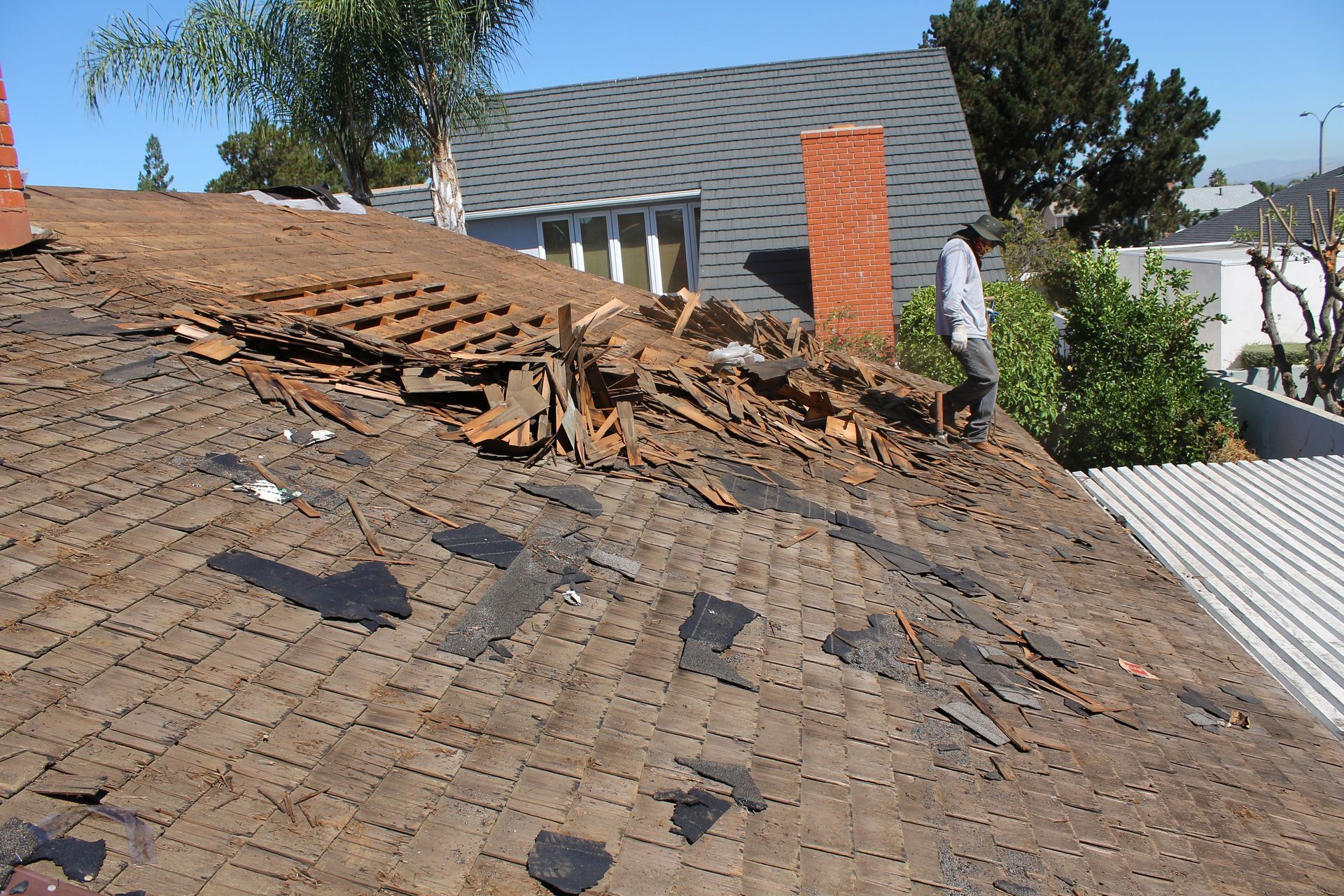
Regularly identifying damage signs is crucial in roof maintenance to arrest problems before they escalate. Common indicators include moisture stains on ceilings or walls, which may signify leaks rising above due to compromised roofing. Missing, loose, or warped shingles are visible signs of surface damage that could permit water intrusion. Flashing deterioration could also allow water ingress, jeopardizing the roof's integrity. Understanding these signs of damage is key to necessary interventions.
Inside the home, varying indicators of roof damage, like mold growth or musty odors, could signal moisture penetration. Dripping water should always prompt immediate roof inspections to avoid further structural damage. Address visible damage promptly by replacing broken shingles and resealing exposed nail heads. Flashing near joints and around chimneys has the potential to degrade with age and require urgent repairs. Regular vigilance ensures prompt resolution of potential problem areas before they exacerbate.
Proactive management of roofing damage is critical in deterring extensive and expensive repairs. Local roofers can pinpoint inconspicuous issues like weakened decking or moisture damage that may remain hidden to uninformed eyes. Their use of specialized tools and techniques can aid in assessing underlying damage. When combined with the homeowner's efforts in identifying visible issues, this encourages holistic maintenance. Timely action based on these observations can avert more substantial future expenses related to roof restoration.
Regular Cleaning Tips
Cleaning your roof regularly is vital to keeping it free from debris accumulation and preventing unwanted organic growth. Accumulated debris retains moisture, creating an environment conducive to moss and algae growth. Over time, this organic buildup compromises roof integrity, leading to rot and structural damage. Clear twigs, leaves, and other debris regularly, as they can cause blockages and also hold moisture. Consistent cleaning practices help preserve the roof's appearance and prolong its life.
Preventing moss and lichen growth is essential in avoiding tile or shingle damage. Chemical treatment for these growths should be done with care to avoid harming the roof materials or surrounding vegetation. A homeowner can use sprays containing zinc or copper formulations that inhibit moss development over extended periods. Rinsing the roof with water jets can also aid in dislodging loose growths and debris. However, the use of a metal brush for scrubbing is discouraged, as it damages delicate roofing surfaces.
Encouraging good roof hygiene substantially reduces risks associated with moss or algae growth. From water-resistant barriers to zinc strips, various strategies help prevent recurrence. Roofers offer insights on region-specific growth patterns, as well as effective tools for maintaining a clean roof. Incorporating these cleanings into broader maintenance routines guards against long-term detriments posed by organic growth. Harnessing these tactics works toward a healthier roof well-equipped to withstand seasonal changes and environmental challenges.
Gutter Maintenance
Functional gutters are crucial for protecting the roof and the home's foundation by directing water away. They collect rainwater and channel it correctly to prevent oversaturation of the roof perimeter, avoiding potential leaks or basement flooding. Blocked gutters can lead to water back-up, causing excessive roof weight and strain. Regular gutter maintenance is vital to ensure clear pathways for water overflow in protecting the roof below. Employing filters or maintenance tricks like gutter guards helps reduce debris accumulation.
Regular inspections and cleaning routines maintain effective water management through gutters. Clearing gutters of leaves and other natural debris at least twice a year enhances free water passage, preventing blockages. For regions with heavy snowfall, maintaining clear gutters reduces snow load and mitigates ice dam formations. Hiring local roofers for deep cleaning along with preventive sift or guard installations reduces maintenance needs. Keeping your gutter systems functional is essential for effective water drainage and roof protection.
Partnering with local roofers further strengthens this approach by adding region-specific insight and professional evaluation to your maintenance routine. Their familiarity with local weather patterns, building standards, and common roofing challenges allows for more informed recommendations and targeted solutions. When homeowners remain proactive and seek guidance when needed, roof maintenance becomes a manageable process rather than a reactive one. Taking these steps helps extend the service life of your roof while offering greater confidence in your home's protection year after year. Reach out to The Renovation Gallery, LLC to work with our team of roofing experts.